Existing Patients
(908) 850-4200
New Patients
(908) 275-5307


A healthy smile starts with daily care at home, but even the most careful brushing and flossing can miss tight spaces and hidden buildup. Professional dental cleanings remove deposits and address early signs of trouble before they become more serious. Regular appointments complement your home routine and give your dental team a clear view of your oral health so they can intervene early when needed.
Plaque is a sticky film that continuously forms on teeth and harbors bacteria that produce acids and irritate gum tissue. When plaque isn’t removed, it hardens into tartar (calculus) that adheres to tooth surfaces and can only be removed by a trained hygienist. Professional cleanings eliminate these deposits and reduce the bacterial load in your mouth, lowering the risk of cavities and gum inflammation.
Keeping your gums healthy through routine cleanings also supports overall health. Research shows links between periodontal inflammation and conditions like diabetes and cardiovascular disease, so preventing and managing gum disease has benefits beyond the mouth. A regular cleaning is a practical, evidence-based step toward preserving both oral and systemic well-being.
Finally, cleanings are a proactive tool for catching problems early. During each appointment, the dental team looks for early signs of decay, wear, bite changes, or oral abnormalities. Addressing these issues while they’re still minor helps patients avoid more complex procedures later on and keeps treatment focused on prevention.
An efficient cleaning begins with a careful assessment. The hygienist evaluates gum health, measures any pocketing around the teeth, and notes areas of concern that may need closer attention. This short exam helps tailor the cleaning to your specific needs and time is taken to answer any questions you may have before work begins.
The cleaning itself usually combines manual scaling and an ultrasonic instrument. Ultrasonic scalers use gentle vibrations and water to break up tartar, while hand instruments provide precise removal in hard-to-reach places. Using both approaches allows the hygienist to clear deposits thoroughly while minimizing discomfort.
After scaling, teeth are smoothed and polished to remove surface stains and reduce future plaque buildup. The hygienist will floss between teeth to ensure all debris is removed and may apply a topical fluoride or other protective treatment if appropriate. Each step is aimed at restoring a clean, comfortable mouth and making it easier for you to maintain results at home.
Some patients experience sensitivity or discomfort during cleanings, especially if gums are inflamed or teeth are worn. Modern techniques and patient-centered care make it possible to manage these issues effectively. Topical numbing agents or localized anesthesia can be used when necessary, and the hygienist will work at a pace that keeps the patient comfortable throughout the visit.
When periodontal disease is present, cleanings may be more involved and require a series of deeper treatments known as scaling and root planing. These procedures reach below the gumline to remove bacterial deposits and smooth root surfaces, helping the tissue reattach and heal. Patients with advanced gum disease often follow a personalized maintenance schedule to prevent recurrence and protect long-term oral health.
Comfort extends beyond pain control. A skilled hygienist also provides clear explanations and practical tips during the appointment, whether you need help with sensitive teeth, adaptations for braces or implants, or strategies for reducing bleeding and inflammation. This collaborative approach helps patients feel informed and empowered to improve outcomes between visits.
Twice-yearly cleanings are a common recommendation because they provide regular upkeep for most mouths, helping to keep plaque and tartar under control. That schedule is a solid baseline for patients with stable gum health and low risk factors. However, individual needs vary widely based on medical history, oral conditions, and lifestyle factors.
Patients who smoke, have diabetes, are pregnant, or have a history of periodontal disease may need more frequent visits, sometimes every three to four months, to maintain gum stability. Similarly, people undergoing orthodontic treatment, those with implants, or anyone prone to heavy tartar buildup will often benefit from a customized maintenance plan created by their dental team.
During your appointment the dental team will review your oral health and recommend a recall interval tailored to you. Following a personalized schedule helps maintain the results of professional care, prevents disease progression, and reduces the likelihood of unexpected problems between visits.
What you do at home is the single biggest factor in how long a professional cleaning lasts. Effective twice-daily brushing with a fluoride toothpaste and daily interdental cleaning—flossing or using interdental brushes—removes plaque before it mineralizes into tartar. Small, consistent habits make a meaningful difference in oral stability over time.
Choosing the right tools can also help. Many patients find electric toothbrushes with pressure sensors more effective at removing plaque than manual brushes, and antimicrobial mouth rinses can reduce bacterial load when used appropriately. Nutrition plays a role too: limiting sugary snacks and acidic drinks reduces acid attacks that weaken enamel and encourage decay.
Bring any questions about your home routine to your appointment. The hygienist can demonstrate proper techniques, suggest products tailored to your needs, and offer dietary tips that support oral health. These practical strategies extend the benefits of each professional cleaning and contribute to a healthier, more resilient smile.
Routine dental cleanings are a cornerstone of lasting oral health: they remove harmful buildup, allow for early detection of problems, and reinforce good habits that protect your smile. Our team at Paulussen Dental focuses on gentle, thorough cleanings and individualized prevention plans so patients can enjoy comfortable visits and long-term results. Contact us to learn more about how professional cleanings fit into your personal care plan.
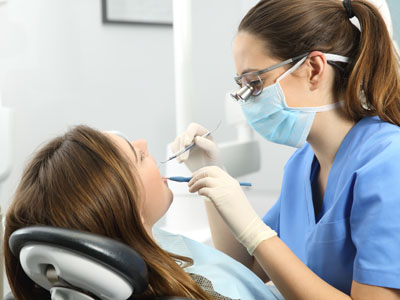
A professional dental cleaning is a preventive procedure performed by a licensed hygienist to remove plaque, tartar and surface stains from teeth. The appointment includes an assessment of gum health and targeted cleaning with hand instruments and an ultrasonic scaler to clear deposits above and below the gumline. Cleanings are tailored to each patient’s needs and focused on reducing bacterial buildup that leads to decay and gum inflammation.
In addition to removing hard deposits, a complete cleaning typically includes polishing to smooth enamel and flossing to remove residual debris between teeth. The hygienist may apply a topical fluoride or other protective treatment when appropriate to strengthen enamel and help prevent cavities. The visit also provides an opportunity to review home care techniques and answer questions about maintaining oral health between appointments.
Regular cleanings reduce the bacterial load in the mouth and remove tartar that cannot be eliminated by brushing and flossing alone, lowering the risk of cavities and gum disease. Periodontal inflammation has been associated with systemic conditions such as diabetes and cardiovascular disease, so preventing and managing gum disease supports broader health. Early detection during cleanings allows the team to identify changes in oral tissues before problems become more complex.
Preventive visits also help preserve natural tooth structure by addressing early decay and wear, which reduces the need for invasive restorative work later on. Routine maintenance creates a record of oral health trends that guides personalized care plans and recall schedules. Patients who follow recommended cleaning intervals benefit from fewer complications and more predictable long-term outcomes.
A comprehensive cleaning starts with a brief clinical evaluation of gum tissue, pocket depths and any areas of concern so the hygienist can customize treatment. Cleaning commonly combines the use of a ultrasonic scaler to break up heavy deposits and hand instruments for precise removal in tight or root areas. After scaling, the hygienist polishes teeth to remove surface stains and flosses to ensure all debris is cleared.
The appointment may conclude with application of fluoride or other remineralizing agents when indicated and a short discussion about home care improvements. The clinician documents findings and recommends a recall interval based on the patient’s risk factors and current gum stability. This structured approach maximizes the effectiveness of the visit and helps patients maintain a cleaner, healthier mouth.
When gum disease is present, routine prophylactic cleanings may be supplemented or replaced by deeper therapy such as scaling and root planing to remove bacteria and calculus below the gumline. These deeper procedures focus on smoothing root surfaces and reducing pocket depths to encourage gum reattachment and healing. Often the work is completed over multiple visits and accompanied by a customized maintenance schedule to prevent recurrence.
Patients with periodontal disease typically require more frequent follow-up visits, professional monitoring and targeted home care recommendations to stabilize tissue health. The dental team may also coordinate care with a periodontist for advanced cases or when surgical intervention is indicated. A combination of professional therapy and dedicated home hygiene offers the best chance for long-term control of periodontal conditions.
Modern hygiene techniques emphasize patient comfort through gentle instrumentation, adjustable suction and careful pacing to minimize sensitivity. Topical anesthetic gels or localized numbing can be offered for patients with severe sensitivity or when deeper cleaning is required. Hygienists also modify technique around exposed root surfaces, implants or orthodontic appliances to reduce discomfort while maintaining thoroughness.
Communication during the appointment is important so the clinician can pause, change tools or apply desensitizing agents as needed. Home strategies such as desensitizing toothpaste, soft-bristled brushes and targeted fluoride treatments can decrease sensitivity between visits. A collaborative, patient-centered approach helps ensure that cleanings remain effective without causing undue pain.
For many patients, twice-yearly cleanings provide reliable maintenance of oral health and help prevent the accumulation of plaque and tartar. Individual recall intervals may be adjusted based on risk factors such as smoking, diabetes, a history of periodontal disease, heavy calculus buildup or orthodontic appliances, which can require visits every three to four months. The recommended frequency is determined after a clinical review and is intended to keep the patient’s mouth stable and healthy over time.
At Paulussen Dental the team evaluates each patient’s status at every visit and recommends a personalized schedule to address specific needs and risks. Following a tailored maintenance plan helps preserve results of professional care, reduces the likelihood of disease progression and minimizes the need for more complex treatments later. Regular appointments also allow for timely detection of new issues so they can be treated conservatively.
Daily twice-daily brushing with a fluoride toothpaste and daily interdental cleaning such as flossing or interdental brushes is the single most important factor in prolonging cleaning results. Using an electric toothbrush with a pressure sensor and an antimicrobial mouth rinse can further reduce plaque accumulation for many patients. Limiting sugary snacks and acidic beverages also decreases the frequency of acid attacks on enamel and helps prevent new decay.
Bringing questions about technique or products to your appointment allows the hygienist to demonstrate proper methods and recommend tools tailored to your needs. Consistent small habits, combined with professional care, create meaningful, long-term improvements in oral stability. A focused home routine reduces buildup between visits and makes future cleanings more efficient and comfortable.
Yes, professional cleanings are important for the health of natural teeth and for maintaining restorations, implants and orthodontic devices. Hygienists use specialized instruments and techniques around crowns, bridges and implants to remove plaque without damaging restorative materials or implant surfaces. For patients with braces or clear aligners, cleanings and targeted instruction help prevent decalcification and gum inflammation related to appliance wear.
Regular professional maintenance reduces the risk of peri-implant disease and protects the margins of crowns and bridges where plaque tends to collect. The dental team can also suggest adjunctive products and home-care adaptations, such as interdental brushes or floss threaders, to make care around appliances more effective. Preventive maintenance preserves both oral health and the longevity of dental restorations.
Scaling and root planing is a deep cleaning procedure that removes bacterial deposits and hardened tartar from below the gumline and smooths root surfaces to discourage reattachment of bacteria. This therapy is recommended when periodontal pocketing and inflammation reach levels that cannot be controlled by routine prophylaxis alone. By addressing the bacterial reservoir on root surfaces, the procedure promotes gum healing and helps reduce pocket depths.
Treatment typically involves careful instrumentation over one or more appointments and may be followed by a period of reassessment to determine tissue response. In many cases, patients enter a periodontal maintenance program with more frequent professional visits to sustain results. Adjuncts such as antimicrobial rinses or localized delivery of medications may be used when clinically appropriate to enhance outcomes.
After a cleaning some patients experience mild sensitivity, slight gum tenderness or minor bleeding, especially if inflammation was present before treatment; these effects usually resolve within a few days. Over-the-counter pain relievers, desensitizing toothpaste and gentle brushing with a soft brush typically manage discomfort, and clinicians will provide specific post-care instructions if deeper therapy was performed. Maintaining good hydration and avoiding very hot or hard foods for a short period can also ease recovery when needed.
Continue diligent home care by brushing twice daily, cleaning between teeth daily and following any product recommendations from your hygienist. Keep the recommended recall appointments so the dental team can monitor healing and intervene early if problems recur. Consistent professional and home care together help preserve the benefits of each cleaning and support long-term oral health.