Invisalign® for Teens
Existing Patients
(908) 850-4200
New Patients
(908) 275-5307


Invisalign® offers a modern alternative to traditional braces, using a sequence of clear, removable aligners to move teeth gently and predictably. For patients who value discretion and convenience, this treatment blends digital planning with proven biomechanics to produce measurable changes without the appearance and maintenance of metal brackets and wires.
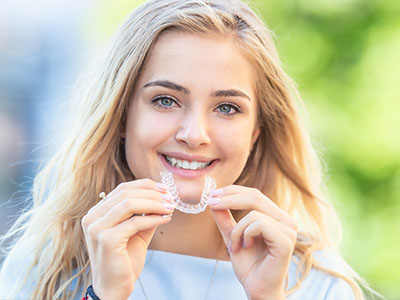
Invisalign® for Teens

Invisalign® for Brides

Invisalign® for Travelers
Before & After Photos
Invisalign® Videos
FAQs
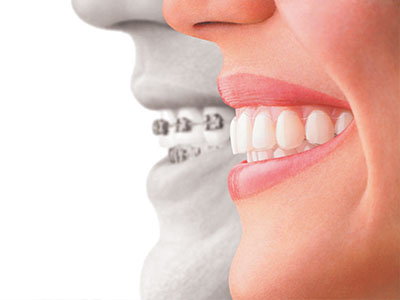
Invisalign® vs Braces
Invisalign® vs Direct-To-Consumer Aligners
Is Invisalign Right For Me?

Invisalign Costs
At the heart of clear aligner therapy is detailed digital planning. Clinicians capture precise 3-D images of a patient’s mouth and use specialized software to map each stage of tooth movement from the current position to the desired outcome. That plan is then translated into a series of custom-fit trays, each designed to advance the teeth a small amount until the final alignment is achieved.
Because the aligners are fabricated to tight tolerances, the system allows for controlled, incremental shifts that can address a wide variety of alignment issues. Patients typically wear each aligner for a set period—commonly one to two weeks—before moving to the next in the series, ensuring continuous progress without the need for frequent bracket adjustments.
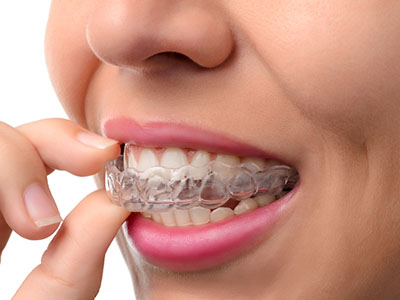
Most patients find clear aligners comfortable because they eliminate many of the irritations associated with traditional braces. Aligners are smooth, non-invasive appliances that are removed for eating and oral hygiene, allowing patients to maintain regular routines while progressing through treatment. Proper adherence to the prescribed wear schedule is the key factor in achieving the planned results.
Align Technology and similar developers combine anonymized treatment data with clinical research to refine how aligners influence various kinds of tooth movement. This ongoing development helps clinicians plan more accurate trajectories for rotation, tipping, intrusion, and extrusion when indicated by a patient’s case.
One of the practical benefits of this approach is improved control over treatment phases. Digital planning lets the dental team foresee potential challenges and incorporate auxiliary features—such as attachments or interproximal reduction—when necessary to enhance predictability and comfort.
Because aligners are removable, patients can continue to brush and floss normally. Maintaining strong oral hygiene during treatment helps protect enamel and gum tissue while teeth are moving, and it supports a healthier long-term result.
The process usually begins with a focused consultation and a digital scan. During this appointment the clinician evaluates orthodontic needs, reviews dental and medical history, and captures the records needed to create a comprehensive treatment plan. Patients receive a clear explanation of the proposed sequence and realistic expectations for timing and outcomes.
Once the digital setup is complete, the appliance series is manufactured to reflect the planned movements. Patients are instructed how long to wear each aligner and are given guidance on managing daily life with removable trays—what to do for meals, oral hygiene, and how to store and handle the aligners safely.
Follow-up visits are generally less frequent and less complex than with fixed appliances. These appointments allow the dental team to monitor progress, make minor adjustments in the plan if required, and deliver subsequent aligners. If refinements are needed after the initial series, additional aligners can be created to fine-tune results.
After active movement is complete, most patients transition to a retainer protocol to maintain alignment. Retention is a standard part of orthodontic care and helps safeguard the investment of time and effort put into achieving a straighter smile.
Clear aligners are capable of addressing many common orthodontic conditions, including mild to moderate crowding, spacing, and certain bite alignment issues. The system is particularly effective when movement requirements fall within the predictable range that aligners can deliver. Complex or severe skeletal problems may still require traditional orthodontic approaches or combined care with specialists.
Attachments—small, tooth-colored shapes bonded to teeth—can increase the range of motions that aligners produce by giving the appliance a better grip on the tooth surface. When included in a treatment plan, these discreet aids are designed to minimize visibility while maximizing clinical control.
Incorporation of digital radiography and 3-D imaging can enhance diagnostic accuracy and treatment planning, enabling clinicians to evaluate not only tooth position but also jaw relationships and periodontal considerations. This comprehensive perspective supports safer, more effective care tailored to each patient’s oral health needs.
Because tooth movement sometimes impacts soft tissue and chewing function, clinicians consider both esthetic and functional goals when planning. Aligners can contribute to improved bite relationships, more even wear patterns, and easier cleaning access when the final alignment is achieved and maintained.
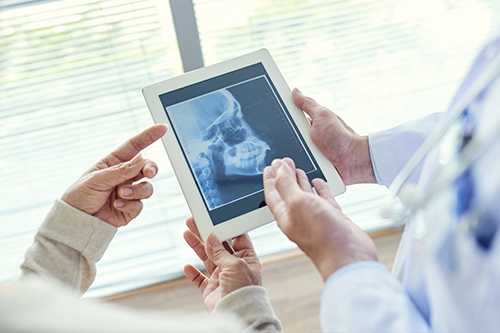
We begin by listening to each patient’s concerns and reviewing clinical findings. A thorough evaluation helps us determine whether clear aligners are the most appropriate path and which digital records are needed to design a precise treatment plan.
Treatment planning is collaborative: the clinician integrates diagnostic data, patient priorities, and evidence-based techniques to build a path forward that balances efficiency, comfort, and long-term stability.
Patients receive a clear explanation of milestones and what to expect, so they can make an informed decision about proceeding. Clear communication up front reduces surprises and supports better adherence throughout treatment.
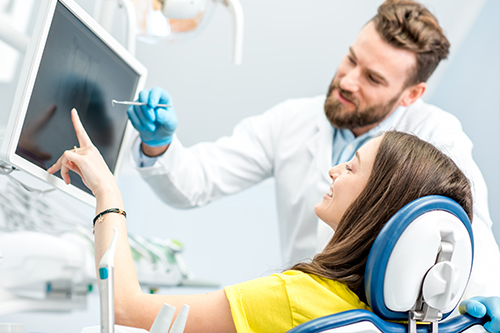
A fast, precise digital scan replaces messy traditional impressions and produces a 3-D model that is central to the treatment plan. This model allows clinicians and patients to preview the expected progression of alignment before manufacturing the aligners.
Visualization tools help patients understand how individual aligners contribute to the final result and provide the dental team with checkpoints for monitoring treatment fidelity along the way.
Because the process is digitally driven, modifications and refinements can be planned quickly if progress differs from projections, allowing for efficient updates without starting over.
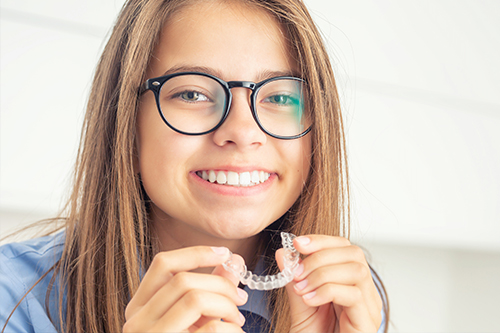
Aligners are designed to be worn the majority of each day while remaining removable for meals and hygiene. That flexibility reduces lifestyle disruptions and supports consistent oral care during treatment.
Patients often appreciate the minimal maintenance routine compared to fixed appliances; keeping the aligners clean and following wear instructions are the primary responsibilities that drive successful outcomes.
When attachments are recommended, they are applied with care to blend with natural tooth color and minimize visual impact while performing an important role in achieving planned movements.

Throughout treatment, the dental team monitors progress and offers guidance to keep the plan on track. Regular check-ins ensure that aligner fit and movement align with expectations and that oral health remains a priority.
After active alignment is complete, a retention plan is discussed to preserve the new position of teeth. Retention protocols are individualized based on the case and are essential to help maintain the benefits of treatment.
Our approach emphasizes both the immediate improvement of alignment and the long-term maintenance of oral health so that results remain stable and sustainable.
Short videos can help illustrate fit, comfort, and procedural steps that are part of aligner therapy.
*Invisalign® is a registered trademark of Align Technology, Inc.
Whether you’re considering aligners to address spacing, crowding, or specific bite concerns, clear aligner therapy offers a contemporary, discreet option backed by digital planning and clinical oversight. If you’d like to explore whether this approach fits your needs, contact Paulussen Dental for more information and to schedule a consultation.
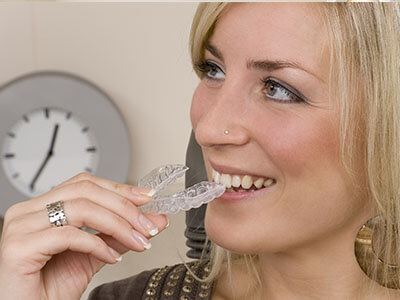
There are many options for patients who want to avoid metal braces! The most popular alternative orthodontic treatment is Invisalign®, which are clear plastic aligners designed to straighten teeth. After an examination of your teeth, your dentist will determine which option is best suited to your wants and needs.
According to the Invisalign® website, the cost for treatment is approximately the same as the cost for metal braces. A portion of this cost may be covered by your insurance. Please call us to set up a consultation and discuss potential payment plan options.
The first step is to schedule a consultation with your doctor, so they can devise a treatment plan that is best suited to your individual dental needs. Once approved, you will receive your first set of aligners. Your doctor will then regularly monitor the movement of your teeth and new aligners will be ordered according to the progress made in your treatment plan.
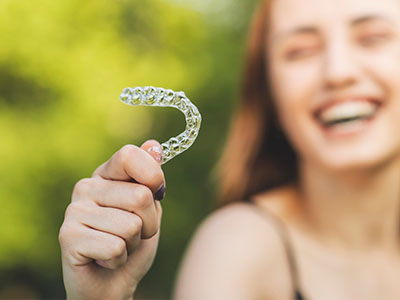
Invisalign® aligners are made of clear, flexible plastic. The company received a patent for this material – SmartTrack® – to be used exclusively for Invisalign treatment purposes. These aligners are FDA approved and nearly invisible!
Your doctor will give you an estimate regarding how long your Invisalign® treatment should take, which will depend on your specific needs. The average length of time for treatment is approximately 12-18 months. However, some patients may see results far sooner. Remember to wear your aligners exactly as instructed by your doctor to obtain the best results.
Your doctor will most likely recommend that you wear retainers following your Invisalign® treatment. This is a precaution that will prevent your teeth from shifting back to their original positioning. It is important to follow your doctor's instructions exactly to ensure long-lasting results.
You must wear your aligners for up to 22 hours daily. You may remove them for eating, drinking and regular oral hygiene.
No. Unlike braces, you may eat whatever you like as long as you remove the aligners before eating. Prior to placing the aligners back on, it is important to brush your teeth and the aligners after you eat.
Like any orthodontic treatment, there is a short adjustment period. The more you speak with the aligners on, the quicker you will adjust.
There will be some pressure and minor discomfort for a day or two after each initial insertion. This is a sign that your teeth are moving sequentially into their final position.
It is recommended that you remove your aligners prior to chewing gum as the gum will stick to the aligners.
We discourage smoking with aligners as the cigarette smoke will tend to discolor them.
Brushing them with toothpaste will keep them fresh and clean.
Regular office visits are every five to six weeks. This will ensure that your Invisalign treatment is progressing as planned.
All orthodontic patients are instructed to wear their retainers at night indefinitely. Sleeping with your retainers in at night will ensure a healthy bite and maintain the new position of your teeth.
Yes, if their teeth, including second molars, have grown in completely.
Invisalign® is a clear aligner system that uses a series of custom-made, removable trays to move teeth gradually into a more aligned position. Each aligner is designed from a digital treatment plan that maps incremental movements from the current dentition to the intended result. The system relies on precise fit and staged force application to produce controlled tooth movement without brackets or wires.
Because aligners are removable, they offer a discreet option for people who prefer less-visible orthodontic care. The digital workflow allows clinicians to visualize the planned progression and make adjustments when needed. Successful outcomes depend on adherence to the prescribed wear schedule and regular monitoring by the dental team.
Digital scanning replaces traditional impressions by generating an accurate 3-D model of the teeth and bite, which becomes the basis for treatment planning. Clinicians use specialized software to simulate each stage of tooth movement and to design a sequence of aligners that will achieve the desired alignment. This visualization helps both clinician and patient understand expected changes and identify when auxiliaries like attachments or interproximal reduction may be necessary.
The digitally driven approach also streamlines refinements because adjustments can be planned and fabricated without re-taking physical molds. Digital records improve communication between the dentist and the laboratory or aligner manufacturer, increasing predictability. Ongoing updates to software and clinical protocols continue to refine how specific movements are achieved with aligners.
Candidates for Invisalign® typically include people with mild to moderate crowding, spacing, and certain bite discrepancies that fall within the movement ranges aligners can reliably address. Thorough evaluation of periodontal health, existing restorations, jaw relationships, and overall oral health is required to ensure aligners are appropriate. Complex skeletal discrepancies or severe bite problems may still be better served by traditional orthodontics or combined care with a specialist.
Patient cooperation is a key factor because aligners must be worn as directed to achieve planned results, so candidates need to be committed to the wear and care schedule. Teenagers and adults alike can be considered, provided growth patterns and compliance are taken into account. A clinical consultation and diagnostic records are the best way to determine candidacy for individual cases.
The treatment process usually begins with a consultation that includes a clinical exam, discussion of goals, and a digital scan to capture the current tooth positions. A detailed plan is created that shows the proposed sequence of movements, after which the custom aligner series is manufactured and delivered with instructions for wear and care. Patients typically change aligners at regular intervals and return for periodic reviews so the dental team can monitor progress and make any necessary refinements.
Follow-up appointments are generally less frequent and less invasive than visits for fixed appliances, focusing on fit, oral health, and adherence to the plan. If additional refinement is needed after the initial series, extra aligners can be fabricated to fine-tune the result. When active movement is complete, the clinician will outline a retention strategy to preserve alignment long term.
Treatment duration with Invisalign® varies widely depending on the complexity of the case, the amount of tooth movement required, and patient compliance with wear instructions. Many straightforward cases are completed in several months, while more involved treatments can take a year or longer to reach the planned outcome. The treatment plan developed from your digital records will include a realistic timeline and milestones specific to your situation.
Factors that influence timing include how consistently aligners are worn, biological response to tooth movement, and whether auxiliaries or refinements become necessary. Regular check-ins allow the dental team to track progress and modify the plan when needed to keep the case on schedule. Maintaining excellent oral hygiene and following clinician guidance helps avoid delays related to dental health complications.
Caring for aligners involves daily cleaning, careful storage, and avoiding exposure to excessive heat that can warp the plastic. Rinse aligners after removal and brush them gently with a soft toothbrush and lukewarm water or use manufacturer-recommended cleaning products to keep them clear and odor-free. When not worn, store aligners in their protective case to prevent damage and contamination.
Maintaining normal oral hygiene is essential during treatment; patients should brush and floss after eating before reinserting aligners to prevent trapping food debris and bacteria against tooth surfaces. Regular professional cleanings and dental exams help preserve gum and enamel health while teeth are moving. If staining or buildup appears on the trays, discuss safe cleaning options with your clinician to avoid harming the aligner material.
Attachments are small, tooth-colored composite shapes bonded to selected teeth to give the aligner something to push against and thereby increase the range of movements the system can produce. They act like discreet handles that improve grip and control for rotations, extrusions, or other targeted actions that aligners alone may not achieve as predictably. Attachments are planned during the digital setup and placed with minimal aesthetic impact.
Although attachments change the surface contour of a tooth, they are designed to be subtle and are removed easily at the end of treatment. Their presence may be noticeable initially, but many patients find them acceptable given the overall discreet nature of aligner therapy. The decision to use attachments is made to maximize predictability and efficiency in achieving the treatment goals.
Most patients experience a brief adjustment period when they first begin wearing aligners, which may include a mild lisp or sensation of fullness that typically resolves within a few days. Aligners are made from smooth plastic and generally cause less soft-tissue irritation than brackets and wires, reducing common sources of soreness and mouth ulcers. Occasional tenderness can occur after switching to a new aligner as teeth begin to shift, but this is usually manageable with over-the-counter pain relievers and subsides quickly.
Because aligners are removable, they allow patients to eat and clean teeth normally, which can contribute to overall comfort and convenience during treatment. Maintaining consistent wear according to instructions minimizes disruptions and tends to reduce the frequency and intensity of discomfort. If speech or comfort issues persist, patients should consult their clinician so fit and adaptation can be reviewed.
After active alignment, a retention phase is essential to preserve tooth position and protect the investment of time and effort invested in treatment. Retainers can be removable or fixed, and the specific protocol—how long they should be worn full-time or only at night—depends on individual factors such as original alignment issues and biological tendencies for relapse. The clinician will recommend a personalized retention plan to help maintain long-term stability.
Periodic follow-up visits enable the dental team to assess retention and make adjustments or repairs if a retainer becomes loose or damaged. Long-term monitoring of bite, wear patterns, and gum health supports the durability of results and overall oral function. Patients should follow retention guidance closely because continued protection of the final alignment is a critical part of successful orthodontic care.
The first step is a consultation with a qualified dental professional who will review your dental and medical history, conduct an exam, and take the digital records needed to evaluate treatment options. At Paulussen Dental in Hackettstown, NJ, that appointment includes a discussion of goals, a digital scan to capture current tooth positions, and an explanation of realistic expectations for movement and timeline. These diagnostic steps allow the clinician to recommend whether clear aligners are suitable or if another approach would better address your needs.
If aligners are appropriate, the clinician will present a customized treatment plan that outlines the sequence of movements, anticipated duration, and retention strategy. From there you will receive instructions for aligner wear, care, and follow-up visits so you know what to expect at each stage. If you would like to explore this option further, request an evaluation to review your personal goals and the available clinical pathway.
![The image shows an interior space with two walls featuring different paintings. One painting depicts a forest scene with trees, rocks, and a river, while the other features a group of people. There is a long wooden counter in front of these paintings with chairs on either side, and a person sitting at the counter. The counter has a sign that reads 'Welcome to [name],' and there are Christmas decorations visible.](/custom/images/home_parallax/1.jpg)