Existing Patients
(908) 850-4200
New Patients
(908) 275-5307


Orthodontics is about more than a straighter smile — it is the discipline of aligning teeth and jaws so they work together comfortably and reliably. Today’s treatment emphasizes predictable, healthy movement of teeth using appliances tailored to each patient’s anatomy and goals. Whether the issue is crowding, spacing, a shifted tooth, or a mismatch between the upper and lower jaws, modern orthodontic care offers solutions that balance appearance, function, and long-term stability.
Treatment applies gentle, controlled forces over time to guide teeth into new positions. These forces are delivered through a variety of appliances, from traditional brackets and wires to low-profile ceramic options and removable clear aligners. The choice of appliance is a clinical decision based on the complexity of the bite issue, the patient’s lifestyle, and the desired outcome — always prioritizing oral health and comfort.
Every orthodontic plan begins with a comprehensive evaluation that looks beyond the teeth to include jaw relationships, facial proportions, and how the bite functions during everyday activities like chewing and speaking. This holistic view helps the care team create a phased, evidence-based plan that progresses in predictable steps toward a functional, attractive smile.
Straight teeth are easier to clean, which directly reduces the risk of cavities and gum disease. When teeth are crowded or overlapped, toothbrushes and floss miss crevices where plaque can accumulate, increasing the chance of decay and periodontal problems over time. Proper alignment supports a maintenance routine that preserves teeth and supporting bone.
Good alignment also improves how the teeth share forces during biting and chewing. When the bite distributes force evenly, teeth wear evenly and are less prone to chipping or accelerated erosion. Correcting a poor bite can reduce abnormal wear patterns and protect restorations, helping dental work last longer.
Beyond oral tissues, alignment influences jaw comfort and function. A balanced bite lessens strain on the muscles and joints of the jaw, which can reduce symptoms like jaw pain, headaches, and clicking. Achieving a stable relationship between the upper and lower teeth is an important step in preventing functional problems that can affect daily life.
Improved oral hygiene: better access for brushing and flossing reduces plaque buildup.
Protection from trauma: properly positioned front teeth are less likely to be injured.
Enhanced function: efficient chewing and clearer speech come from coordinated tooth positions.
Reduced uneven wear: balanced contacts help teeth wear at a predictable rate.
Support for jaw health: a stable bite decreases excessive strain on the temporomandibular joint.
Overall wellbeing: a functional, comfortable smile contributes to confidence and health.

Selecting an orthodontic approach begins with a clear diagnosis. During your evaluation, the team examines how the teeth meet, how the upper and lower jaws relate, and whether any supporting dental work or periodontal issues need attention before movement begins. This ensures the chosen appliances produce safe, lasting results.
Appliance options vary in visibility, comfort, and clinical capability. Fixed braces provide precise control for complex movements; clear ceramic brackets reduce visual impact; lingual braces hide hardware behind teeth; and clear aligners offer a nearly invisible, removable alternative. The best choice depends on treatment goals, oral health status, and the specific tooth movements required.
Patient cooperation also plays a role in appliance selection. Removable systems and certain auxiliary appliances require disciplined wear and careful maintenance to be effective. The care team will outline expected responsibilities and create a plan that matches a patient’s daily routine, ensuring optimal progress without unnecessary interruptions.
The severity and type of the bite problem.
How much crowding or spacing exists among the teeth.
Whether tooth extractions or other preparatory steps are needed.
The relationship between the upper and lower jaws and facial balance.
Estimated duration and level of monitoring required for successful results.
Any supportive appliances that may be necessary to guide tooth or jaw growth.
Patient ability to follow hygiene and wear instructions during treatment.

Technological innovation has transformed orthodontics from a bulky, metal-only discipline into a precise, patient-friendly specialty. Digital tools allow clinicians to visualize tooth movement in three dimensions, simulate outcomes, and fabricate appliances that fit more accurately than ever before. These advances increase comfort and shorten the path to predictable results.
Digital radiography, intraoral scanning, and CBCT imaging provide detailed information about tooth roots, bone anatomy, and jaw relationships. That information supports treatment plans that account for underlying structures, enabling clinicians to move teeth safely while protecting periodontal health. When needed, temporary anchorage devices (TADs) offer additional control for movements that are otherwise difficult to achieve.
At the same time, appliance design has become more discreet and comfortable. Smaller brackets, tooth-colored ceramics, and low-profile wires reduce irritation and visual impact. Self-ligating systems can lower friction and, in some cases, shorten adjustment times. These refinements make staying in treatment easier for patients of all ages.
Intraoral scanners and digital impressions for precise appliance fabrication.
Clear aligner systems that translate digital plans into staged tooth movement.
3-D CBCT imaging to evaluate jaw anatomy and root positions.
Temporary anchorage devices (TADs) for controlled, targeted tooth movement.
Smaller, more cosmetic bracket designs and tooth-colored materials.
Software-driven treatment planning that improves predictability.
Clear aligners have reshaped how many patients approach orthodontics. Custom-crafted from digital scans, aligners move teeth in a planned sequence of small steps. They are removable for eating and oral hygiene, which simplifies daily life compared with fixed systems and often results in fewer hygiene-related complications.
Because aligners are practically invisible, they are particularly appealing to image-conscious teenagers and adults. They are effective for a wide range of alignment issues, though very complex skeletal discrepancies sometimes require fixed appliances or combined orthodontic and surgical approaches. The care team will explain which methods best suit each situation and why.
Paulussen Dental stays current with these advances to offer patients practical, modern options. During a consultation, the team will review which technologies and appliances can deliver the safest, most efficient route to your goals.
Orthodontic care is tailored to the needs of different life stages. For children, timely assessment allows clinicians to recognize developing problems early and recommend interventions that guide jaw growth, preserve space, or correct detrimental oral habits. Many children benefit from early monitoring even when full treatment is not immediately necessary.
Most comprehensive treatment for children occurs during the mixed dentition phase, when permanent incisors and first molars have erupted. This timing allows clinicians to use growth to their advantage, making certain corrections more straightforward. When early intervention is required, phased approaches can address immediate concerns while planning for future comprehensive care.
Adults increasingly seek orthodontic care for both functional and aesthetic reasons. Mature patients may present with restorative needs, bone or gum concerns, or previous tooth movement that has relapsed. The team assesses and coordinates necessary dental care so orthodontics proceeds from a foundation of healthy teeth and supporting structures.
Retention is a routine, essential part of orthodontics. After active movement concludes, retainers hold teeth in their new positions while surrounding fibers and bone adapt. The length and type of retention vary by case, but consistent retainer use is the primary step patients can take to protect their investment in a straight, functional smile.
Even with diligent retention, teeth can shift over time due to aging, oral habits, or changes in surrounding tissues. Periodic monitoring and good dental maintenance keep the result stable and help the dental team catch and address minor changes early, preserving the function and appearance of the smile for years to come.

Completing orthodontic treatment is a milestone — maintaining that result is an ongoing partnership between the patient and the dental team. Regular dental checkups, attentive oral hygiene, and adherence to retainer instructions all contribute to long-term success. The goal is not only to create a great-looking smile but to preserve its health and function over a lifetime.
Should future dental needs arise, orthodontics can be coordinated with restorative, periodontal, or prosthetic treatments to achieve outcomes that look natural and perform well. Thoughtful sequencing of care ensures that tooth movement supports broader oral health goals rather than creating new problems.
If you are curious about whether orthodontic treatment is right for you or your child, the practice offers thorough evaluations that explain options and expected outcomes in clear terms. Contact Paulussen Dental to arrange an orthodontic consultation and learn how contemporary approaches can create a healthier, more confident smile.
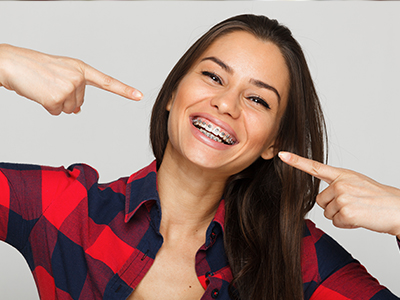
Most parents wonder when is the best time to have their child evaluated for braces. One common misconception regarding orthodontic treatment is to wait until all of your child's permanent teeth (except the wisdom teeth) are present. However, an orthodontist can identify most problems involving the alignment of the teeth and jaw growth by the time a child is in the first or second grade. For this reason, the American Association of Orthodontists recommends that all children have a check up with an orthodontic specialist no later than age 7.
It is important to keep in mind that aligning the teeth and the jaws does not happen overnight. Whether you are wearing conventional braces, clear aligners, or any other type of appliance, orthodontic movement is a gradual process. Orthodontic tooth movement is based on the use of light and continuous forces to correct your bite in an incremental, predictable, and healthy manner.
The total duration of orthodontic care, not including wearing retainers to maintain the result, depends on several factors. Such things as growth, as well as compliance with care, may influence treatment time. On average comprehensive orthodontic care to correct a malocclusion can take anywhere between 18-36 months. Orthodontic treatment for more limited problems with tooth alignment typically ranges from 6 to 18 months.
Because orthodontic movement takes time, most appointments after the initial placement of appliances are scheduled approximately four to eight weeks apart. This interval gives your teeth time to move at both a steady and healthy pace. However, there may be situations where more frequent visits to evaluate the status of your case, tooth movement, or to have an additional adjustment are required.
Teeth can be moved at any age. Orthodontic treatment as an adult can completely transform an imperfect and poorly aligned smile into one that is attractive and functions at its best. However, initiating orthodontic care and achieving a successful outcome relies on the presence of healthy teeth and supporting bone. For these reasons, it is essential for adult patients to address any outstanding dental problems before their appliances are placed and to remain diligent about maintaining their oral health throughout care.
Orthodontics is the dental specialty focused on diagnosing, preventing and correcting irregularities of the teeth and jaws so they work together comfortably and reliably. Treatment uses controlled forces to move teeth into healthier positions and to establish stable jaw relationships that support chewing, speech and oral hygiene. Proper alignment reduces the risk of decay and gum disease by making teeth easier to clean and by evening out bite forces.
Beyond appearance, orthodontic care aims to protect dental restorations, reduce abnormal wear and relieve strain on the jaw muscles and joints. A well-designed orthodontic plan considers facial balance and long-term stability as much as immediate alignment. This holistic perspective helps patients achieve results that are both functional and durable.
Orthodontic treatment improves oral health by creating tooth positions that allow more effective brushing and flossing, which lowers plaque buildup and the likelihood of cavities and periodontal disease. When teeth meet evenly, chewing forces are distributed across many teeth, reducing localized stress that can lead to chipping or accelerated wear. Correcting bite problems can also relieve excessive muscle tension and reduce symptoms such as jaw pain or headaches.
Functionally, aligning teeth can enhance speech clarity and chewing efficiency, which supports digestion and overall comfort. Proper tooth positioning also makes restorative and prosthetic treatments more predictable and long-lasting. Ultimately, orthodontics is a preventive and restorative discipline that supports both appearance and the daily function of the mouth.
Appliance options include fixed braces with metal or ceramic brackets, lingual braces placed behind the teeth, and removable clear aligners. Fixed systems provide precise control for complex movements, ceramic options reduce visual impact, lingual braces offer full concealment, and clear aligners are nearly invisible and removable for eating and cleaning. Each system has clinical strengths and limitations that influence which is appropriate for a given case.
Selection depends on the complexity of the tooth movements required, the relationship of the jaws, patient lifestyle and the need for auxiliary tools such as springs, elastics or temporary anchorage devices. Some appliances demand strict wear and hygiene habits from the patient, while others require more frequent in-office adjustments. The care team recommends the option that balances clinical efficacy with patient comfort and compliance.
A personalized plan begins with a comprehensive evaluation that includes clinical examination, dental records and imaging to assess tooth positions, jaw relationships and facial proportions. The clinician reviews dental and periodontal health, existing restorations and any growth considerations to determine whether preparatory treatments are needed before tooth movement. This diagnostic phase sets clear goals and identifies potential challenges that may affect the sequence of care.
From there, the team outlines a phased, evidence-based approach that specifies appliances, estimated monitoring intervals and auxiliary treatments if necessary. Treatment sequencing is designed to protect long-term oral health while achieving functional and aesthetic objectives. Periodic reassessment ensures the plan adapts to how the teeth and jaws respond over time.
Digital tools have transformed orthodontics by improving diagnosis, planning and appliance fabrication with greater precision and predictability. Intraoral scanners and digital impressions capture accurate models of the teeth, while software simulates tooth movement and helps clinicians visualize end results before treatment begins. CBCT and digital radiography provide three-dimensional information about bone anatomy and root positions, enabling safer, more targeted tooth movement.
These technologies also support the production of custom appliances and clear aligners that fit more accurately and reduce the need for manual adjustments. Temporary anchorage devices and advanced bracket designs give clinicians additional control over complex movements. The office of Paulussen Dental integrates these tools to improve comfort and efficiency while maintaining a focus on periodontal health and long-term stability.
Orthodontic care is effective for growing children, adolescents and adults, though the objectives and timing often differ by age. Early evaluation in childhood helps identify developing problems that may benefit from interceptive measures to guide jaw growth or preserve space, while adolescent treatment typically addresses comprehensive alignment once most permanent teeth have erupted. Adults seek orthodontics for functional correction, to prepare for restorative work, or to address relapse from earlier treatment.
Medical and periodontal health must be stable before initiating active tooth movement, and clinicians consider restorative needs, bone levels and gum condition when planning care for mature patients. Many adults can receive contemporary orthodontic care with options tailored to their aesthetic and lifestyle preferences. A thorough consultation determines candidacy and outlines any preparatory steps required for safe treatment.
Routine appointments typically include evaluation of tooth movement, adjustment or delivery of appliances and guidance on hygiene and wear. Visits vary in length depending on the appliance: fixed braces often require tightening or wire changes, while clear aligner therapy may involve progress checks and delivery of the next set of aligners. Each visit also provides an opportunity to address comfort issues, check oral health and reinforce proper care techniques.
Between visits, patients play an active role by following wear schedules, maintaining excellent oral hygiene and reporting any unexpected symptoms. The clinician will set monitoring intervals to ensure movement stays on plan and to make timely adjustments when needed. Clear communication between patient and team helps maintain progress and minimize delays.
Treatment duration depends on the severity of the malocclusion, the type of appliances used and how consistently the patient follows care instructions. Simple alignment problems can often be corrected in several months, while complex cases that involve jaw coordination or significant tooth movement may take one to two years or longer. Growth considerations, the need for extractions or preparatory dental work, and biological response to force all influence the timeframe.
Patient cooperation is a major factor: consistent wear of removable appliances, adherence to elastic schedules and meticulous hygiene can shorten treatment or prevent setbacks. Regular follow-up visits allow the team to refine mechanics and address issues early, which helps maintain an efficient timeline. The treatment plan provided at the outset includes an estimated duration and milestones to track progress.
Retention is the phase after active tooth movement when retainers hold teeth in their new positions while bone and soft tissues adapt. Retainers can be removable or fixed and are selected based on the original problem, the degree of movement and patient preferences. The purpose of retention is to stabilize results and reduce the likelihood of relapse caused by aging, oral habits or changes in surrounding tissues.
The initial retention period is typically most intensive, with more frequent wear required at first and gradual reduction over time as stability improves. Long-term or intermittent retainer use is often recommended to preserve alignment indefinitely because some natural tooth movement can occur with age. Periodic monitoring helps the dental team address minor shifts early and maintain the functional and aesthetic benefits of treatment.
Good oral hygiene and attentive appliance care are essential to prevent decay and gum problems during treatment. Patients with braces should brush and floss carefully around brackets and wires, use interdental brushes or floss threaders as recommended, and maintain regular professional cleanings. Those using clear aligners should remove them for eating, rinse them regularly and continue thorough brushing and flossing to avoid staining and plaque buildup.
Avoiding hard, sticky or very crunchy foods helps protect fixed appliances from damage and reduces the need for emergency repairs. If any component becomes loose or causes significant discomfort, patients should contact the dental team for guidance to prevent interruption of treatment. Consistent home care and communication with the clinician help ensure efficient progress and a healthy outcome.